Solar and batteries
What a home battery actually saves you in Melbourne
Every battery quote comes with a savings figure on it. Most of them are optimistic. Here is how the number is actually built, so you can check anyone's before you sign it.
A battery does one thing: it stops you selling solar to the grid at a feed-in rate and buying it back at a retail rate a few hours later. Everything else — backup, app dashboards, time-of-use arbitrage — sits on top of that one trade.
So the saving is not a property of the battery. It is the gap between what you are paid for exports and what you pay for imports, multiplied by how much energy you can actually move across that gap each day.
The three numbers that decide it
When we size a system we ask for a bill and twelve months of usage data. These are what we are looking for.
- Your feed-in tariff versus your usage rate. This spread is the whole game. A wide spread makes a battery pay; a narrow one makes it a backup device you also happen to save a bit with.
- How much surplus you actually export. A battery can only store what you were sending away. If you are home during the day and already using most of what you generate, there is less to capture than you would think.
- What you draw after dark. A stored kilowatt-hour only saves you money if you use it before the sun comes back. An oversized battery on a small evening load spends most of its life half full.
Why we will not put a dollar figure on this page
Because it would be made up. Retail rates in Victoria move, feed-in tariffs have fallen a long way over the past few years, and two houses on the same street with the same solar can have very different answers depending on when the people inside are home.
What we will do is model it against your own data before you commit, and show you the working. If the payback is long, we will say so.
If someone quotes you a payback period without asking for your usage data, they have guessed.
When we tell people to wait
There are a few situations where we would rather you spent the money elsewhere first.
- You have no solar yet. Panels first, storage second — a battery with nothing to store is just an expensive UPS.
- Your solar array is small. Under about 5kW there is often not enough surplus on a winter day to make the trip worthwhile.
- Your switchboard needs work anyway. That cost lands either way, so it belongs in the comparison rather than as a surprise afterwards.
The reasons that are not about money
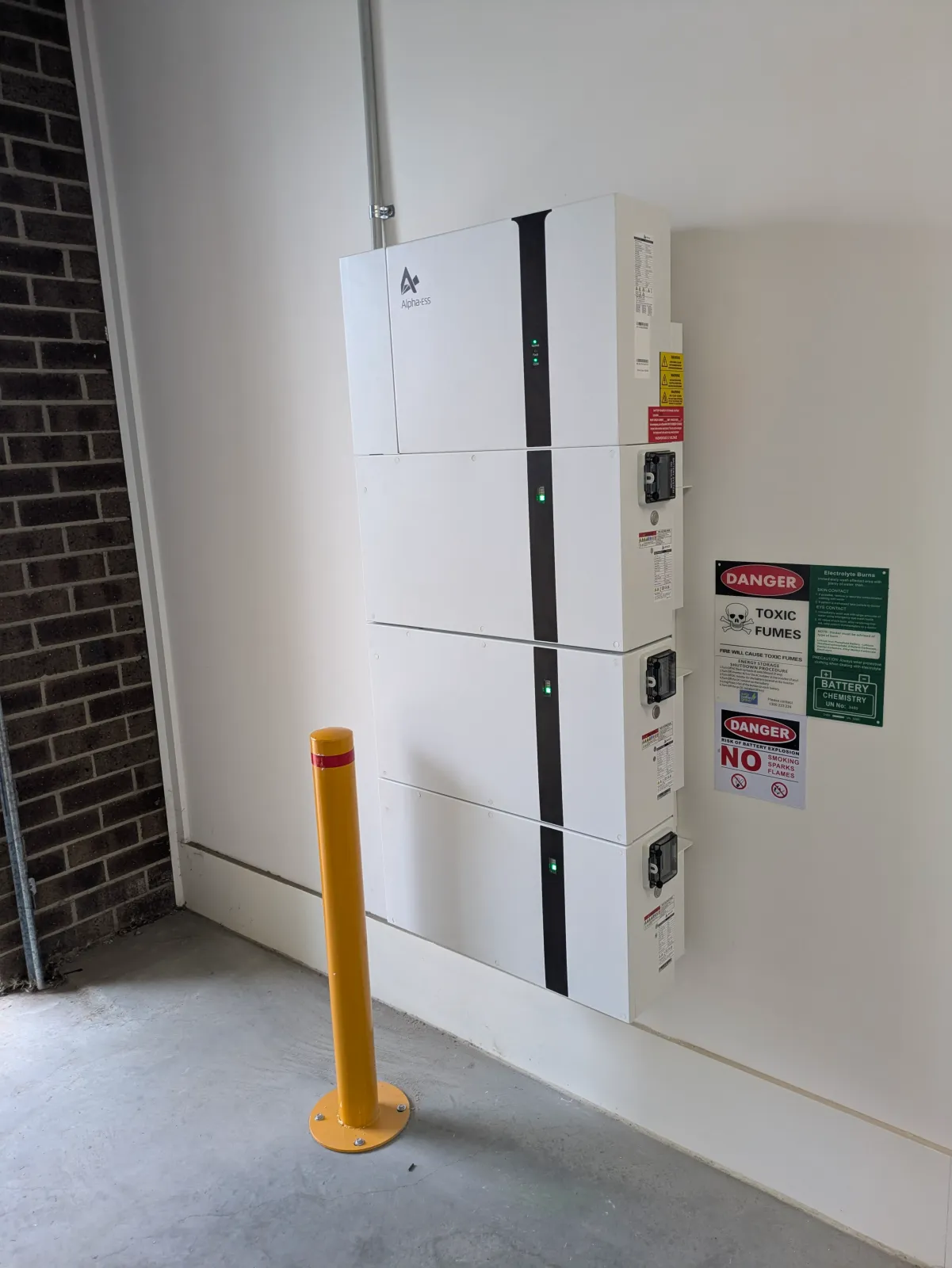
Plenty of people buy a battery knowing the payback is long, and are happy. Riding out an outage without the fridge defrosting, running the house on your own power in the evening, charging the car off the roof rather than the grid — none of those show up as a line on a bill, and they are perfectly good reasons. We would just rather you chose them deliberately than were sold a number that does not hold.
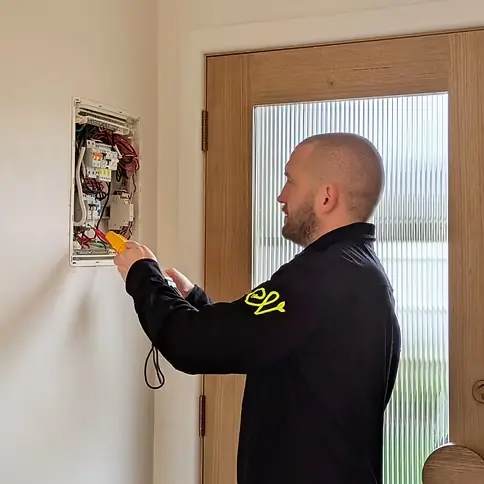
If you want the real figures for your place, send us a bill and a photo of the switchboard through the battery storage assessment, and we will do the sums against your own usage.